Auto Parts And Vehicle Maintenance
Owning a vehicle today is about more than simply getting from one place to another. Every journey depends on hundreds of interconnected components working together in perfect harmony. Yet many drivers only think about maintenance when a warning light appears or a breakdown disrupts their plans. Have you ever wondered how some vehicles remain dependable for years while others develop costly problems much sooner?
Understanding Auto Parts Maintenance is one of the most effective ways to protect your investment, improve safety, and maximize vehicle performance. As automotive technology continues to evolve, drivers who understand the fundamentals of maintenance gain a significant advantage in preventing unexpected repairs and extending the life of their vehicles.
Understanding Auto Parts And Vehicle Maintenance
Every vehicle tells a story through its performance, efficiency, and reliability. The condition of each component directly influences how smoothly a vehicle operates. Before diving into specific maintenance practices, it is important to understand why proper care remains one of the smartest decisions any vehicle owner can make.
When discussing Automotive parts replacement, many people focus only on fixing broken components. However, strategic replacement and preventive maintenance play a much larger role in preserving reliability, reducing long-term expenses, and ensuring optimal vehicle performance.
The Importance of Quality Auto Parts for Vehicle Reliability
The quality of replacement parts can significantly affect how a vehicle performs over time. While lower-cost alternatives may seem attractive initially, they often fail to deliver the same durability and precision as high-quality components.
Reliable parts help maintain vehicle performance, engine efficiency, and overall automotive reliability. When critical systems such as brakes, suspension, or engine components operate as intended, drivers experience fewer breakdowns and greater confidence behind the wheel.
Automotive expert Larry Webster once stated that proper maintenance is not about spending more money but about spending it wisely before small issues become major problems. This perspective highlights why investing in quality parts is often more economical than repeatedly replacing inferior alternatives.
Essential Components That Require Regular Attention
Some vehicle components experience constant wear and therefore require more frequent inspection than others. Ignoring these areas can gradually reduce performance and increase repair costs.
Engine oil, air filters, brake pads, batteries, cooling systems, tires, and transmission fluids all play essential roles in daily operation. Regular inspections allow drivers to identify early warning signs before they develop into serious mechanical failures.
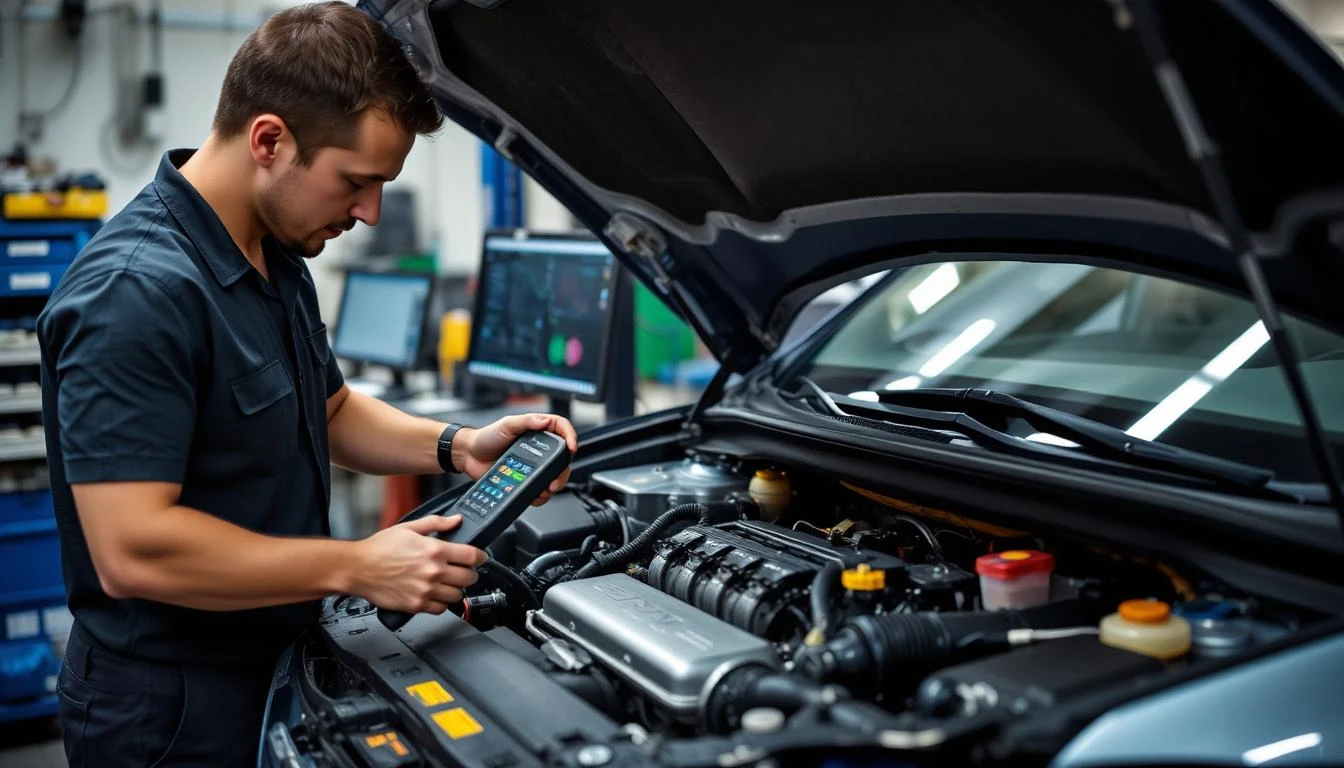
Modern vehicles also rely heavily on sensors and electronic systems. Monitoring these technologies has become just as important as checking traditional mechanical components, particularly as automotive engineering becomes increasingly sophisticated.
How Maintenance Helps Extend Vehicle Lifespan
Consistent maintenance acts as a protective shield against premature wear and costly breakdowns. Vehicles that receive routine inspections and timely repairs often remain dependable far longer than those that receive only reactive care.
Preventive maintenance supports brake system inspection, fuel efficiency improvement, and overall mechanical health. By addressing small concerns early, drivers can avoid the chain reaction of failures that often results from neglected maintenance.
Automotive engineer John Paul, known for his decades of consumer automotive advice, has emphasized that routine maintenance remains the single most effective method for extending vehicle longevity. His observation continues to be supported by real-world vehicle ownership data across the industry.
Maintaining Key Vehicle Components
A well-maintained vehicle does not happen by accident. It is the result of consistent attention to critical systems that influence safety, efficiency, and reliability. Understanding what to inspect and when to inspect it can help drivers avoid many common mechanical problems.
Inspecting and Replacing Worn Auto Parts
Every component has a lifespan. Over time, friction, heat, vibration, and environmental exposure gradually reduce effectiveness.
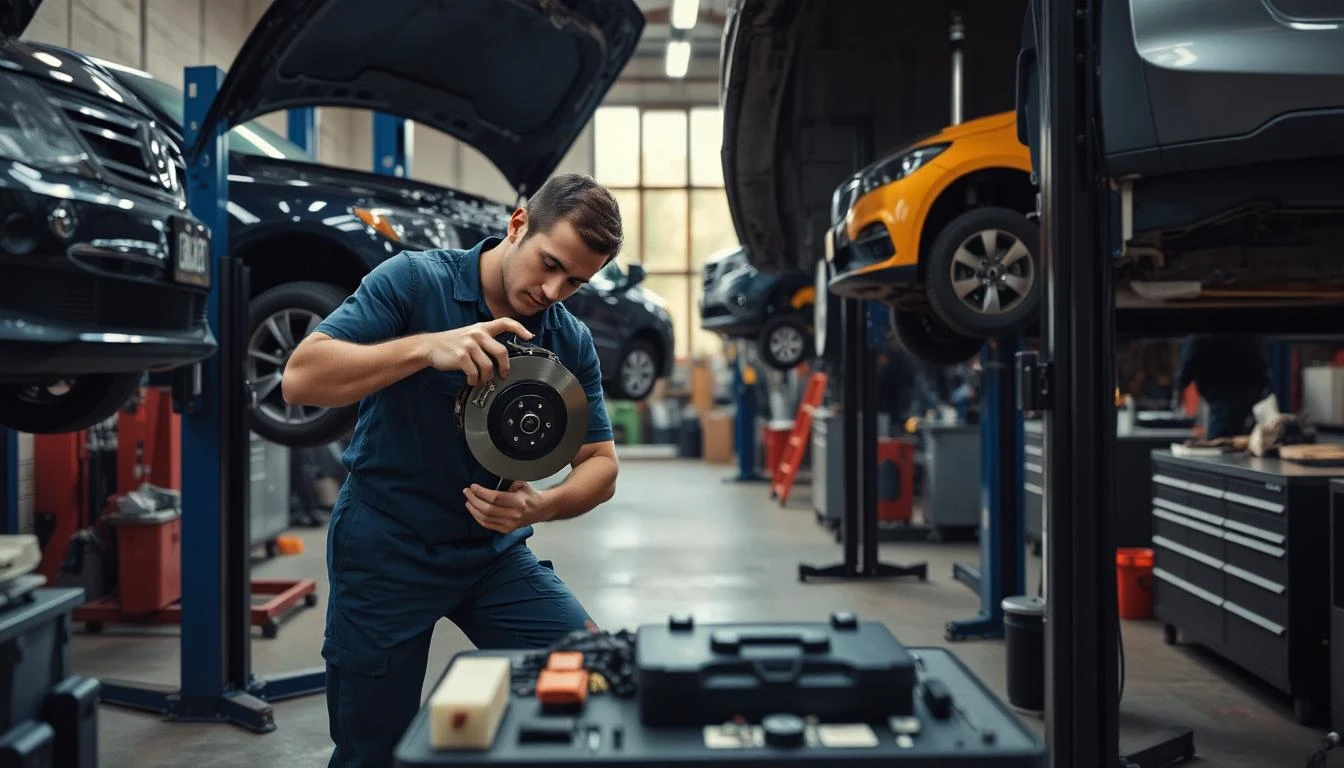
Brake pads become thinner, belts may crack, hoses can deteriorate, and suspension components eventually wear out. Regular inspections help identify these issues before they compromise safety or performance.
Drivers searching for the best way to identify worn auto parts before they fail often discover that visual inspections combined with routine service appointments provide the most effective strategy.
Understanding Routine Maintenance Schedules
Manufacturers develop maintenance schedules based on extensive engineering research and real-world testing. These schedules are designed to keep vehicles operating at peak efficiency throughout their lifespan.
Oil changes, fluid replacements, tire rotations, battery inspections, and filter replacements should all be performed according to recommended intervals. Following these schedules consistently helps reduce the likelihood of unexpected repairs.
Many vehicle owners underestimate how much money can be saved simply by adhering to routine maintenance guidelines rather than waiting for problems to appear.
Preventing Common Mechanical Issues Through Upkeep
Most major mechanical failures begin as relatively minor concerns. A small coolant leak, worn belt, or neglected fluid change can eventually lead to extensive repairs if left unresolved.
Preventive maintenance helps reduce the risk of engine overheating, transmission damage, brake system failures, and electrical problems. It also improves overall driving confidence by ensuring critical systems continue operating as intended.
Drivers who prioritize maintenance often notice smoother performance, better fuel economy, and fewer unexpected visits to repair facilities.
Choosing The Right Parts For Your Vehicle
Selecting replacement parts is not simply a matter of choosing the least expensive option. Compatibility, quality, durability, and manufacturer specifications all play important roles in achieving long-term value.
Evaluating Compatibility and Performance Needs
Every vehicle is engineered with specific requirements in mind. Using incompatible parts can affect performance, safety, and reliability.
Factors such as vehicle make, model, year, engine configuration, and driving conditions should always be considered before purchasing replacement components. Choosing compatible parts helps ensure seamless operation and minimizes installation complications.
Many drivers researching how to choose compatible replacement auto parts for modern vehicles quickly discover that proper fitment is often more important than price alone.
Understanding the Difference Between Replacement Options
Vehicle owners generally encounter three primary replacement categories: OEM parts, premium aftermarket components, and economy replacements.
OEM components are designed to match factory specifications. Premium aftermarket parts may offer enhanced durability or performance benefits, while economy alternatives are often selected primarily for budget considerations.
Understanding these differences helps consumers make informed decisions based on their specific needs, driving habits, and long-term ownership goals.
Making Informed Decisions for Long-Term Value
True value extends beyond the initial purchase price. Factors such as lifespan, warranty protection, installation requirements, and expected performance all contribute to the overall cost of ownership.
Drivers who evaluate replacement parts from a long-term perspective often experience fewer recurring repairs and greater satisfaction with their vehicle's performance over time.
Choosing wisely today can prevent frustration and unnecessary expenses in the future.
Improve Vehicle Reliability With Proper Maintenance
The difference between a dependable vehicle and a problematic one often comes down to consistent maintenance habits. Every inspection, fluid change, and replacement component contributes to a larger strategy focused on safety, performance, and longevity.
As vehicles become more technologically advanced, proper maintenance becomes even more valuable. The drivers who prioritize preventive care are typically the ones who enjoy lower ownership costs, fewer breakdowns, and stronger resale value. If there is one lesson that remains true across every vehicle category, it is that maintenance is always easier and less expensive than major repairs.
You have now seen how quality parts, routine inspections, and informed purchasing decisions work together to support long-term vehicle health. The next step is simple: start paying closer attention to the condition of your vehicle today and make maintenance a regular habit rather than an occasional reaction.