Vehicle Maintenance And Repair Guide
Owning a vehicle is more than simply driving from one destination to another. Every journey places stress on critical components, from the engine and transmission to the brakes and suspension system. Yet many drivers only think about maintenance when a warning light appears or an unexpected problem disrupts their plans. Have you ever wondered how some vehicles remain dependable for years while others develop costly issues much sooner?
The answer often lies in Preventive maintenance practices. A proactive approach to vehicle care helps detect small concerns before they become major repairs, improves safety, enhances fuel efficiency, and protects the long-term value of your investment. Understanding how maintenance and repairs work together can make the difference between years of reliable driving and frequent trips to the repair shop.
The Fundamentals Of Vehicle Maintenance
A vehicle is made up of thousands of interconnected parts that must work in harmony every day. When one component begins to deteriorate, it can affect the performance of several others. That is why understanding the fundamentals of maintenance is not only beneficial but essential for every vehicle owner who wants to avoid unnecessary expenses and maximize reliability.
An effective Auto maintenance checklist serves as the foundation of a successful maintenance strategy. By regularly monitoring key systems and following recommended service intervals, drivers can identify potential issues early and keep their vehicles operating at peak performance.
Why routine maintenance is essential for performance
Routine maintenance directly impacts how efficiently a vehicle performs. Regular oil changes, tire rotations, fluid inspections, and filter replacements help reduce wear on critical components while improving fuel economy and overall drivability.
According to automotive expert John Paul, AAA Northeast's Senior Manager of Traffic Safety, "Preventive maintenance is always less expensive than major repairs caused by neglect." His observation reflects a reality many drivers discover only after facing unexpected repair bills that could have been avoided with timely servicing.
Consistent maintenance also supports smoother acceleration, improved braking response, and enhanced engine efficiency. Rather than viewing maintenance as an expense, it is more accurate to see it as a long-term investment in vehicle health.
Key areas every vehicle owner should monitor
Several areas deserve regular attention regardless of vehicle age or mileage. Engine oil quality, brake condition, tire tread depth, battery performance, coolant levels, and transmission fluid condition all play significant roles in overall reliability.
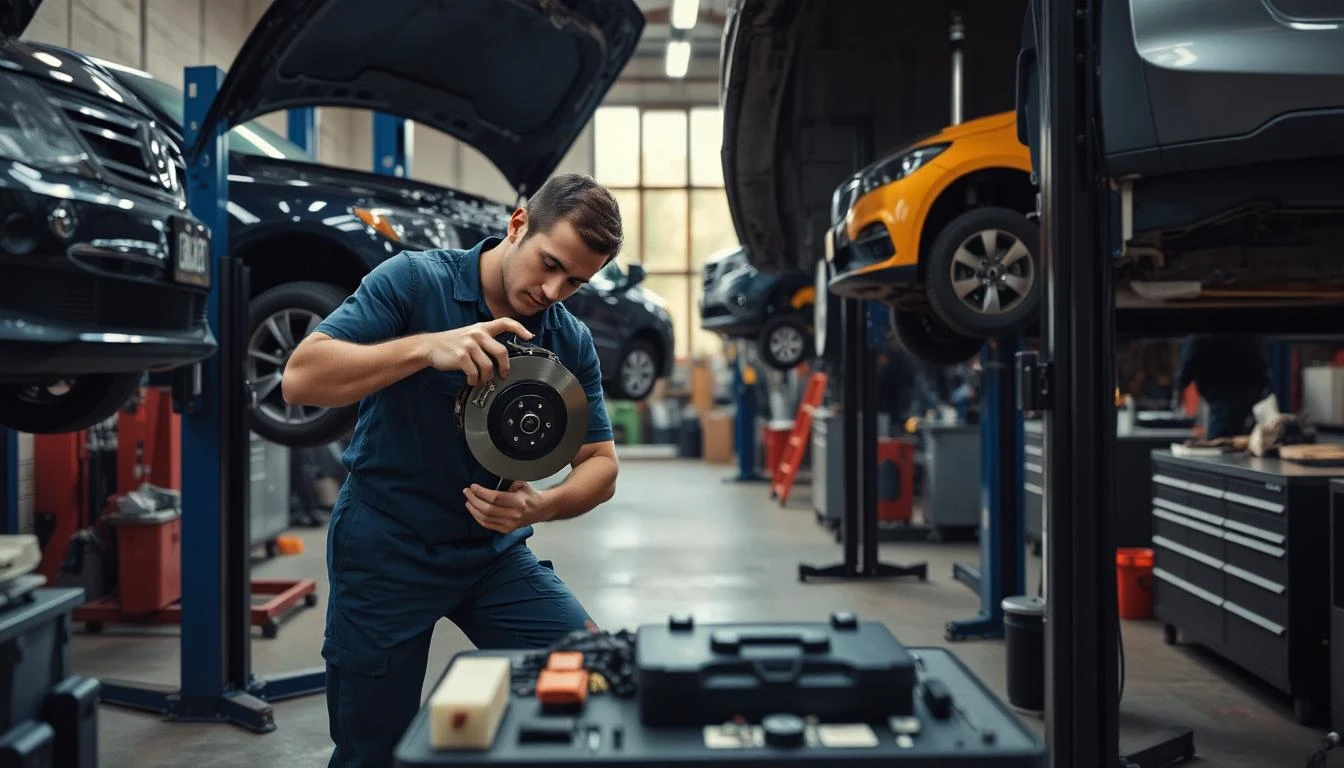
In addition, modern vehicles rely heavily on systems such as engine diagnostics, vehicle inspection, brake system maintenance, tire rotation service, and fluid replacement schedule monitoring. These related maintenance areas help ensure optimal operation while reducing the likelihood of mechanical failures.
By paying attention to these critical systems, drivers can identify subtle warning signs before they escalate into serious concerns.
Building a practical maintenance routine
Creating a maintenance routine does not need to be complicated. Start by reviewing the manufacturer's maintenance schedule and adapting it to your driving habits. Vehicles used for long commutes, frequent stop-and-go traffic, or extreme weather conditions often require more frequent inspections.
Keeping detailed maintenance records also provides valuable insight into recurring issues and future service needs. Over time, this habit helps drivers make informed decisions and maintain consistent vehicle performance.
Understanding Basic Vehicle Repair Needs
Even with excellent maintenance habits, vehicle repairs are inevitable. Components naturally wear out, and occasional failures can occur. The key is understanding how to recognize problems early and respond appropriately before minor issues evolve into expensive repairs.
Identifying common repair issues early
Most significant vehicle repairs begin with small warning signs. Unusual noises, dashboard warning lights, fluid leaks, vibrations, reduced fuel economy, and changes in handling characteristics often indicate developing problems.
Many drivers ignore these symptoms because the vehicle continues to operate. However, delaying action frequently increases repair complexity and cost. Addressing concerns early allows technicians to resolve issues before extensive damage occurs.
Long-tail search terms such as how to identify vehicle problems before major repairs, common car repair issues every driver should know, and early warning signs of engine failure reflect some of the most common questions vehicle owners ask today.
Managing wear and tear effectively
Wear and tear is a natural part of vehicle ownership. Brake pads gradually thin, belts age, tires lose tread, and suspension components experience constant stress from road conditions.
Managing this process effectively requires a proactive mindset. Replacing components before complete failure often reduces repair costs and improves safety. Regular inspections provide the opportunity to monitor deterioration and plan maintenance accordingly.
Automotive engineer and consumer advocate Lauren Fix often emphasizes that routine inspections help drivers avoid many unexpected breakdowns because mechanical systems typically provide warning signs before failing completely. Her insight highlights the importance of paying attention to gradual changes in vehicle behavior.
Knowing when professional assistance is needed
Some maintenance tasks can be performed by knowledgeable vehicle owners, but many repairs require specialized equipment and technical expertise.
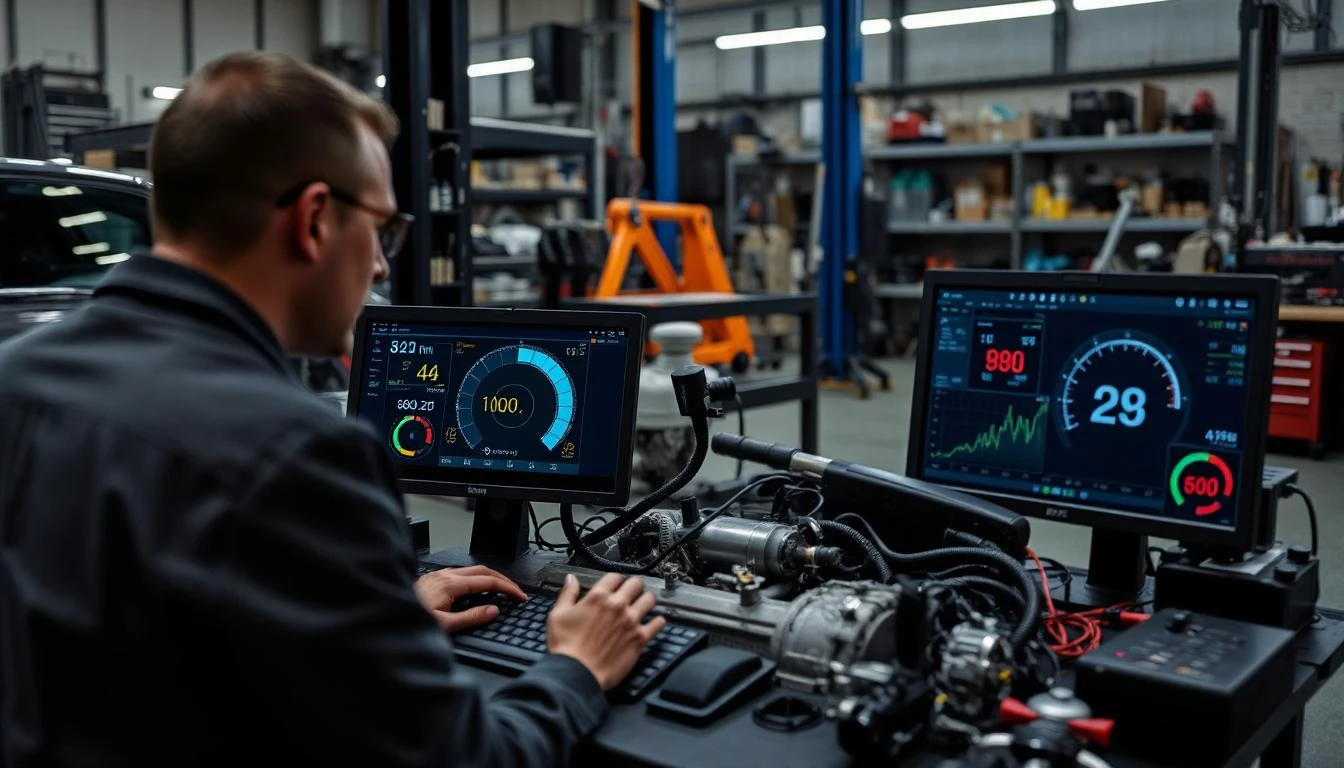
Complex transmission issues, advanced electrical diagnostics, engine timing repairs, and safety system malfunctions often demand professional attention. Seeking qualified assistance ensures repairs are completed correctly while protecting both vehicle performance and occupant safety.
Long-Term Strategies For Vehicle Reliability
Reliability does not happen by accident. It is the result of consistent maintenance, timely repairs, and informed decision-making throughout the life of a vehicle. Drivers who adopt a long-term perspective often experience fewer breakdowns and lower ownership costs.
Combining maintenance and repair planning
Maintenance and repairs should not be viewed as separate responsibilities. Instead, they work together as part of a comprehensive vehicle care strategy.
Planning for future service needs allows owners to budget effectively while minimizing disruptions. Routine inspections often reveal components approaching the end of their service life, creating opportunities to address concerns before they become urgent.
Reducing unexpected breakdowns and expenses
Unexpected breakdowns rarely occur without warning. In many cases, small indicators appear weeks or even months beforehand. Monitoring vehicle performance and responding quickly to abnormalities significantly reduces the risk of sudden failures.
Searches for best preventive maintenance schedule for vehicle longevity, how to reduce unexpected car repair costs, and ways to avoid roadside vehicle breakdowns continue to grow because drivers increasingly recognize the value of prevention over reaction.
Simple habits such as checking tire pressure, monitoring fluid levels, and scheduling regular inspections can save substantial amounts of money over time.
Extending vehicle lifespan through proper care
A well-maintained vehicle can remain dependable for many years beyond its expected lifespan. Consistent servicing protects critical systems while preserving efficiency, safety, and resale value.
When maintenance becomes a routine habit rather than an occasional task, drivers often enjoy smoother operation, fewer repairs, and greater confidence behind the wheel. The cumulative effect of these small actions can dramatically extend the life of a vehicle.
Maintain And Repair Your Vehicle With Confidence Today
Every vehicle tells a story through its performance, reliability, and condition over time. The choices made today, whether scheduling an inspection, replacing worn components, or following recommended maintenance intervals, will shape that story for years to come. Small actions may seem insignificant in the moment, but they often determine whether a vehicle remains dependable or becomes a source of constant frustration.
Understanding maintenance fundamentals, recognizing repair warning signs, and applying long-term reliability strategies provide a clear path toward better vehicle ownership. The sooner these habits become part of your routine, the easier it becomes to avoid unnecessary expenses and enjoy consistent performance whenever you get behind the wheel.
Now is the perfect time to review your vehicle's condition and put these maintenance principles into practice.