
Engine Diagnostics For Better Performance
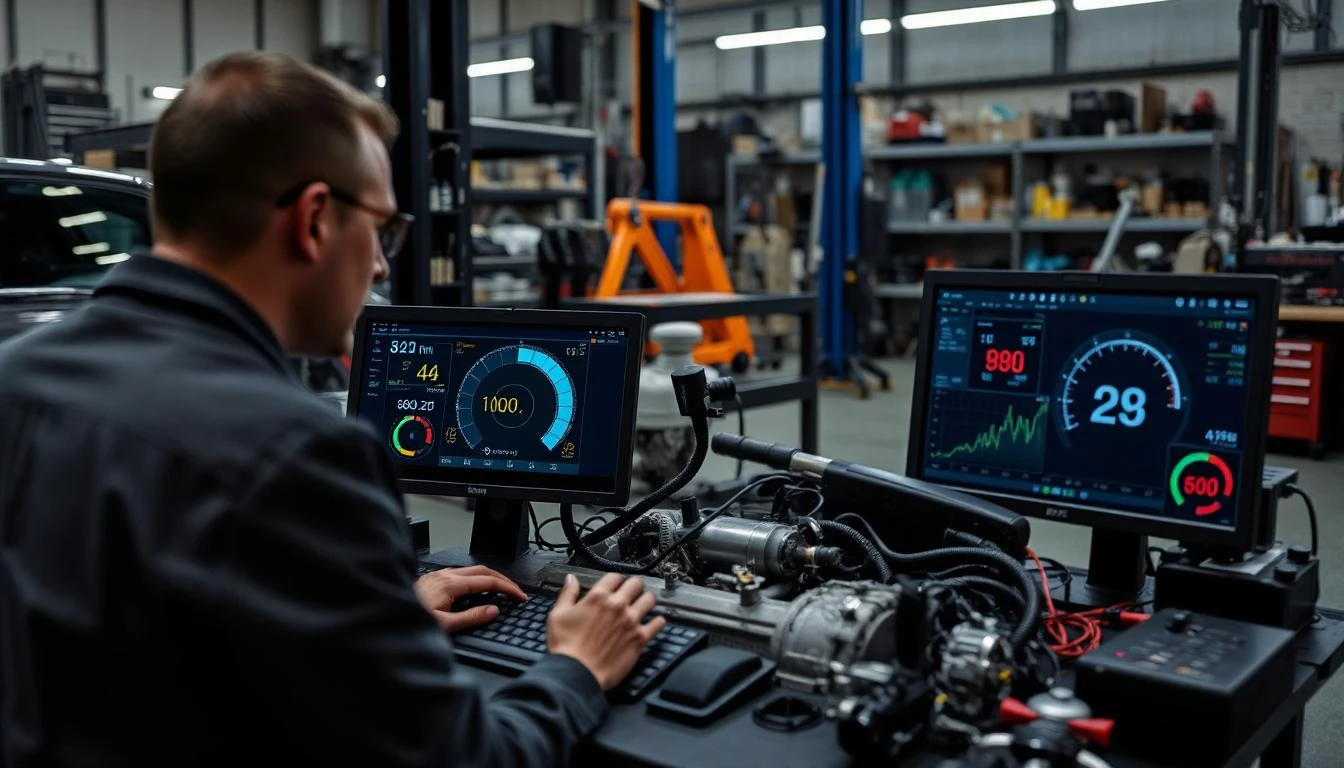
Modern vehicles are becoming increasingly intelligent, but many drivers still overlook what happens behind the scenes when an engine begins to lose efficiency. A slight drop in fuel economy, a delayed throttle response, or an occasional warning light may seem insignificant at first. Yet these small signals often tell a much larger story about the overall health of a vehicle. Understanding these clues can help prevent costly repairs and keep your car performing at its best for years to come.
A comprehensive Engine Diagnostics Guide provides the knowledge needed to identify hidden performance issues before they become major mechanical problems. By understanding how diagnostic systems work and how engine data can reveal potential concerns, drivers can make smarter maintenance decisions, improve reliability, and maximize vehicle performance in both everyday driving and long-distance travel.
Understanding Engine Diagnostics And Performance
Have you ever wondered why two vehicles of the same model can perform so differently over time? The answer often lies in how effectively engine systems are monitored and maintained. Understanding engine diagnostics is the first step toward keeping a vehicle operating at peak efficiency and avoiding unexpected breakdowns.
An effective Automotive troubleshooting guide helps drivers and technicians interpret engine behavior more accurately. Rather than relying on guesswork, modern diagnostic methods provide valuable information that supports faster problem identification and more precise repairs.
How engine systems affect vehicle operation
Every vehicle relies on a network of interconnected components that work together to generate power, manage fuel consumption, and control emissions. Sensors continuously collect information from various engine systems and send that data to the vehicle's control module.
When one component begins to malfunction, the effects can quickly spread throughout the entire system. Issues such as poor combustion, inaccurate sensor readings, or restricted airflow may result in reduced acceleration, rough idling, excessive fuel consumption, and increased emissions. This is why monitoring engine performance regularly is essential for maintaining reliability.
The purpose of diagnostic tools and monitoring systems
Modern diagnostic tools are designed to communicate directly with a vehicle's onboard computer. These systems retrieve fault codes, monitor real-time performance data, and help identify irregularities that may not be immediately visible during a physical inspection.
Diagnostic technology allows technicians to pinpoint problems with greater accuracy. Instead of replacing multiple parts in an attempt to solve an issue, they can use precise information to identify the actual source of the problem. This saves both time and repair costs while improving overall maintenance efficiency.
Recognizing early indicators of engine problems
Engine problems rarely appear without warning. In many cases, subtle signs emerge long before a major failure occurs. Drivers may notice reduced fuel efficiency, unusual engine noises, delayed acceleration, hard starting conditions, or dashboard warning lights.
Recognizing these early indicators can significantly reduce repair expenses. Addressing minor concerns before they escalate often helps preserve engine components and prevents more extensive mechanical damage.
Diagnosing Common Engine Issues
Engine performance problems can be frustrating because symptoms often appear similar even when the underlying causes are completely different. This is where proper diagnostics become invaluable, helping separate assumptions from actual mechanical facts.
According to John Nielsen, former Managing Director of Automotive Engineering and Repair for AAA, "Many vehicle issues can be identified early through proper diagnostic testing, often before drivers experience significant performance problems." This perspective highlights why proactive diagnostics have become a critical part of modern vehicle maintenance.
Identifying performance-related warning signs
Certain warning signs commonly indicate developing engine issues. A check engine light, reduced power output, engine hesitation, excessive exhaust smoke, or unusual vibrations may all point to underlying problems.
These symptoms can originate from faulty oxygen sensors, malfunctioning ignition coils, clogged fuel injectors, vacuum leaks, or deteriorating spark plugs. Accurate diagnostics help determine which component is responsible rather than treating only the visible symptoms.
Understanding engine efficiency and reliability factors
Engine efficiency depends on several factors working together harmoniously. Proper air-to-fuel ratios, accurate ignition timing, effective cooling systems, and clean combustion processes all contribute to reliable performance.
Factors such as neglected maintenance schedules, contaminated fuel systems, and aging sensors can gradually reduce efficiency. Over time, these seemingly minor issues may affect fuel economy, increase emissions, and accelerate wear on critical engine components.
Using diagnostic information to support repairs
The true value of diagnostics lies in transforming raw data into actionable repair decisions. Diagnostic reports help technicians identify specific fault patterns and determine whether issues are related to sensors, electrical circuits, fuel delivery systems, or mechanical components.
This targeted approach minimizes unnecessary repairs and helps restore vehicle performance more effectively. It also provides drivers with greater confidence that the root cause of a problem has been accurately addressed.
Improving Vehicle Performance Through Diagnostics
Once engine issues have been identified, diagnostics continue to play an important role in maintaining long-term performance. Rather than serving as a one-time solution, diagnostic monitoring becomes an ongoing strategy for preserving vehicle health and efficiency.
Automotive expert Tom Magliozzi, co-host of the renowned Car Talk program, once emphasized that preventive maintenance is almost always less expensive than repairing major failures after they occur. His observation remains highly relevant in today's increasingly technology-driven automotive landscape.
Preventing major mechanical failures proactively
One of the greatest advantages of diagnostic systems is their ability to detect abnormalities before they evolve into serious failures. Small sensor discrepancies, irregular fuel trims, or minor ignition issues can often be identified long before drivers notice obvious symptoms.
By addressing these concerns early, vehicle owners can avoid expensive repairs involving major engine components and reduce the likelihood of unexpected roadside breakdowns.
Monitoring engine health over time
Engine diagnostics becomes even more valuable when performance data is monitored consistently. Tracking trends over months or years allows technicians to identify gradual changes that might otherwise go unnoticed.
This long-term approach is especially beneficial for vehicles with high mileage, commercial fleets, and drivers who frequently travel long distances. Consistent monitoring supports smarter maintenance planning and improves overall reliability.
Supporting long-term efficiency and reliability
Reliable performance is not achieved through occasional repairs alone. It requires continuous attention to engine health, regular inspections, and accurate diagnostic evaluations.
When diagnostic information is used as part of a preventive maintenance strategy, vehicles typically experience improved fuel economy, smoother operation, reduced emissions, and longer service life. These benefits contribute directly to lower ownership costs and greater peace of mind.
Enhance Vehicle Performance With Smart Engine Diagnostics Today
The difference between a vehicle that performs consistently and one that develops recurring problems often comes down to how early potential issues are detected. Engine diagnostics provides a powerful way to understand what is happening beneath the hood, helping drivers make informed decisions before minor concerns become major expenses.
As vehicles continue to incorporate more advanced technologies, the importance of diagnostics will only continue to grow. Taking a proactive approach today can help improve efficiency, increase reliability, and protect the long-term value of your vehicle. If you want your car to perform at its best for years to come, now is the perfect time to make engine diagnostics part of your regular maintenance routine.