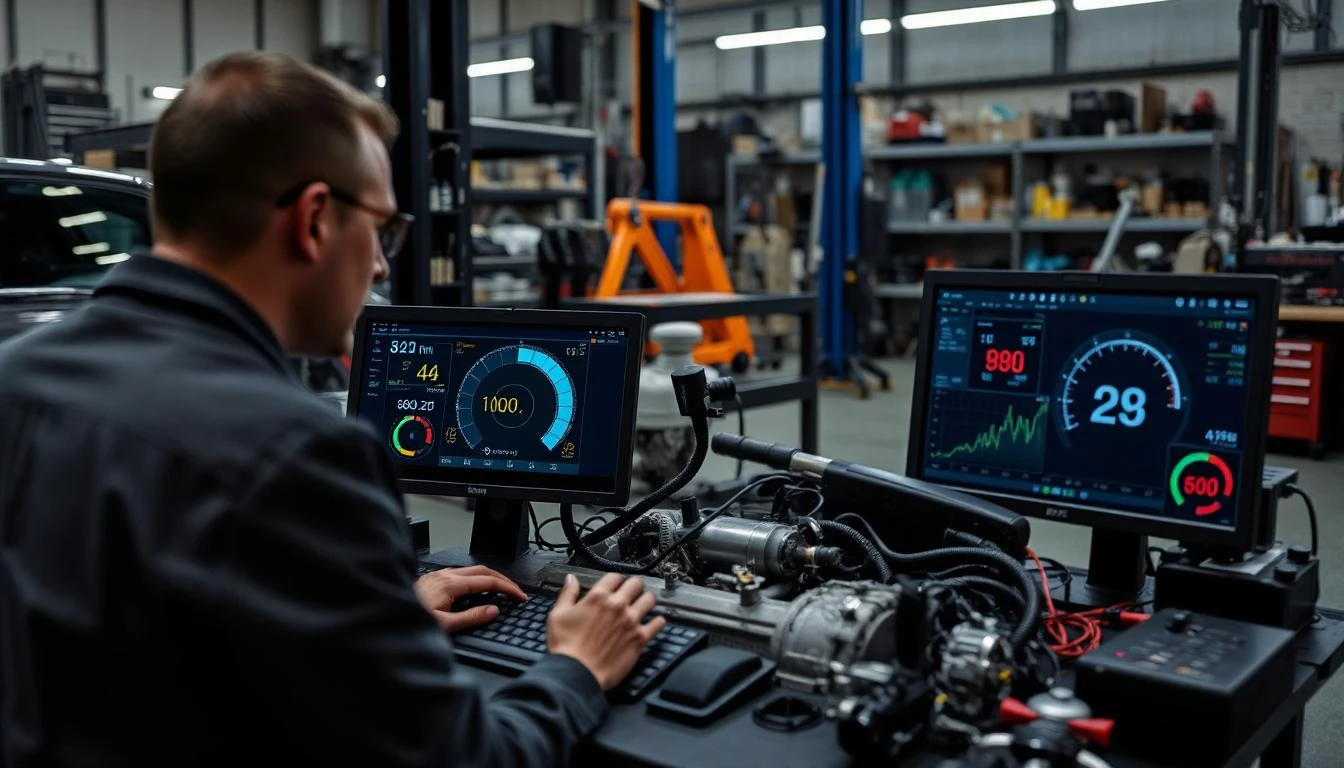
Car Repair And Engine Diagnostics
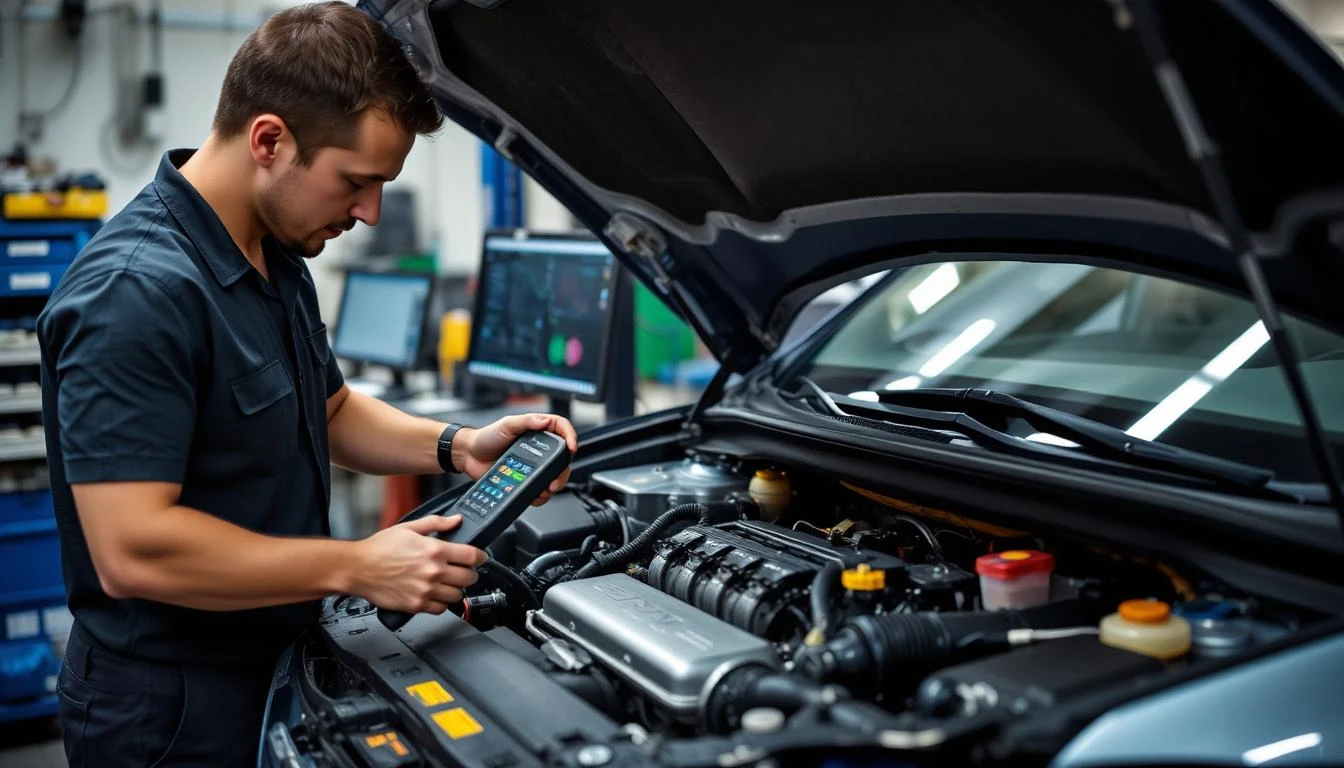
Modern vehicles are far more advanced than they were a decade ago. Beneath the hood lies a sophisticated network of mechanical components, sensors, and computer systems working together to deliver efficiency, safety, and performance. Yet, even the most reliable car can develop hidden issues over time. Understanding how repairs and diagnostics work is no longer just for mechanics. it is valuable knowledge for every driver who wants to avoid unexpected breakdowns and costly repairs.
Whether you drive daily for work, family activities, or long-distance travel, learning Vehicle troubleshooting tips can help you identify early warning signs before they become serious problems. A small issue that goes unnoticed today could easily turn into a major repair tomorrow, making proactive vehicle care one of the smartest investments for any car owner.
Understanding Car Repair And Engine Diagnostics
Many drivers only think about maintenance when a warning light appears or an unusual noise develops. However, modern automotive technology allows problems to be detected much earlier. Understanding how repairs and diagnostics work gives you a clearer picture of your vehicle's condition and helps prevent unnecessary expenses. Discussions about Engine performance issues have become increasingly important because even minor inefficiencies can affect fuel economy, reliability, and overall driving experience.
Common Causes of Vehicle Performance Problems
Vehicle performance problems can arise from several sources. Worn spark plugs, clogged fuel injectors, dirty air filters, failing ignition coils, and malfunctioning sensors are among the most common causes. When these components begin to deteriorate, drivers may notice reduced acceleration, rough idling, poor fuel efficiency, or difficulty starting the engine.
Other factors such as vacuum leaks, contaminated fuel, low engine compression, and aging electrical systems can also contribute to performance concerns. Modern vehicles rely heavily on electronic communication between components, meaning a single faulty sensor can affect multiple systems simultaneously.
LSI keywords naturally associated with this topic include automotive diagnostics, check engine light, OBD-II scanner, vehicle maintenance, engine fault detection, fuel system problems, and electronic control module diagnostics.
The Role of Diagnostics in Identifying Issues
Engine diagnostics play a critical role in identifying hidden faults before they become visible symptoms. Through onboard monitoring systems, modern vehicles continuously collect data from sensors that track engine temperature, air-fuel ratios, emissions performance, and ignition timing.
When abnormalities occur, diagnostic trouble codes are stored in the vehicle's computer. Technicians use specialized scan tools to interpret these codes and determine the root cause of the problem. This process eliminates much of the guesswork traditionally associated with vehicle repairs and improves repair accuracy significantly.
Benefits of Early Problem Detection
Early detection provides substantial benefits for both safety and financial savings. Catching a failing sensor, worn belt, or coolant leak before it escalates can prevent extensive engine damage and expensive repair bills.
Automotive expert Tom Magliozzi once stated that preventive maintenance remains one of the most cost-effective strategies for vehicle ownership. His observation continues to hold true because addressing small problems early almost always costs less than repairing major failures later.
Essential Car Repair Practices
Keeping a vehicle in excellent condition requires more than reacting to warning lights. Consistent maintenance habits create a strong foundation for long-term reliability and help drivers avoid many common repair issues before they occur.
Recognizing Signs of Mechanical Trouble
Vehicles often provide subtle clues when something is wrong. Unusual vibrations, strange noises, fluid leaks, burning odors, decreased fuel economy, and sluggish acceleration should never be ignored.
Recognizing these symptoms early allows drivers to seek professional evaluation before the issue becomes severe. Even seemingly minor changes in vehicle behavior can indicate developing mechanical concerns that deserve attention.
Addressing Minor Issues Before They Become Serious
Small mechanical issues rarely remain small forever. A minor coolant leak can eventually cause overheating, while a worn serpentine belt may fail unexpectedly and affect multiple vehicle systems.
Addressing problems promptly not only reduces repair costs but also minimizes the risk of secondary damage. This proactive approach helps maintain vehicle reliability and improves overall driving confidence.
Long-tail keywords that support this topic include how to diagnose engine problems before they become serious, best vehicle troubleshooting tips for modern cars, and early warning signs of expensive car repairs.
Understanding the Importance of Regular Inspections
Routine inspections provide valuable opportunities to identify hidden wear and tear. Checking fluid levels, tire condition, brake components, battery health, and suspension systems can reveal potential concerns before they compromise vehicle performance.
Regular inspections combined with diagnostic scans create a comprehensive maintenance strategy that supports long-term vehicle health and safety.
Using Engine Diagnostics Effectively
Diagnostic technology has transformed the automotive industry. Instead of relying solely on visual inspections and experience, technicians can now access detailed performance data that reveals precisely how a vehicle is operating.
How Diagnostic Systems Help Identify Faults
Modern diagnostic systems monitor hundreds of vehicle parameters in real time. Sensors collect information related to airflow, fuel delivery, ignition performance, emissions output, and engine temperature.
When irregularities occur, the system records fault codes that help technicians locate the affected component. This technology allows repairs to be performed more efficiently while reducing unnecessary parts replacement.
Interpreting Warning Indicators and Alerts
Dashboard warning indicators are designed to communicate potential issues before serious damage occurs. The check engine light, battery warning light, oil pressure indicator, and temperature warning each provide important information about vehicle health.
Understanding these alerts helps drivers respond appropriately and avoid situations where a manageable issue develops into a costly repair.
Improving Repair Accuracy Through Diagnostics
Accurate diagnostics lead directly to accurate repairs. By analyzing real-time data and stored fault codes, technicians can confirm the exact source of a problem rather than relying on assumptions.
Automotive engineer and author John Heywood emphasized that modern engine management systems provide unprecedented insight into vehicle operation, allowing maintenance professionals to make more informed repair decisions. This level of precision ultimately benefits drivers through faster repairs and improved reliability.
Keep Your Vehicle Running Smoothly With Better Diagnostics
Every vehicle tells a story through its performance, sounds, and diagnostic data. The challenge is knowing how to interpret those signals before they develop into larger problems. Drivers who invest time in understanding maintenance fundamentals, recognizing warning signs, and utilizing diagnostic technology often enjoy fewer breakdowns, lower repair costs, and greater peace of mind on the road.
As vehicles continue to become more technologically advanced, diagnostics will play an even greater role in maintaining reliability and efficiency. The ability to detect issues early is no longer a luxury. it is becoming an essential part of responsible vehicle ownership. The sooner potential problems are identified, the easier and more affordable they are to resolve.